So there’s actually four separate reasons for this phenomenon that is partly purposeful and partly accidental/happenstance:
Imagine two ice cream vendors on a busy beach. One opens up in the middle of everything. Another one sees there’s room for competition, but where to open? Do they go down the beach a ways? Well, if they do, they limit the customers to half of the beach. So they open up next door, also right in the middle of the peak crowd.
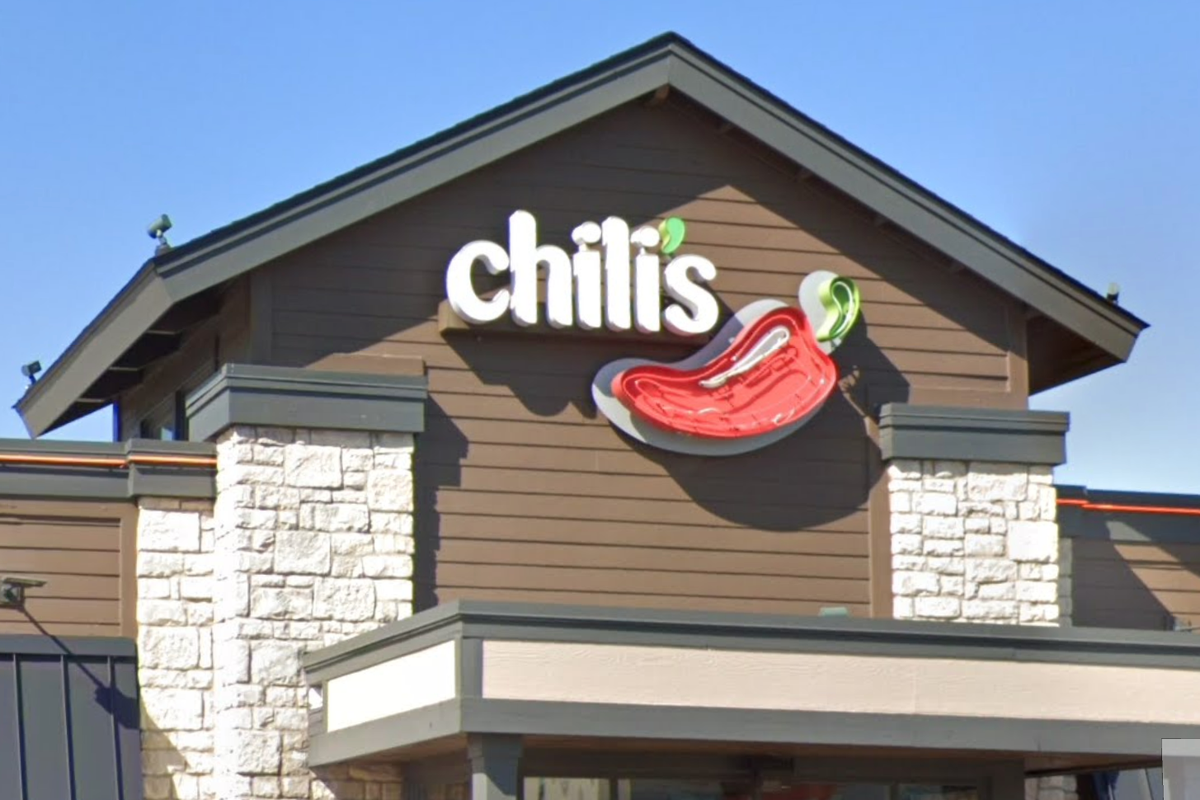
Imagine going to a Chilis or Applebees and finding out there’s a half hour wait for a table. Would you go 20 minutes down the road to the other place to see if there’s a line? But you might cross the street if they were closer.
Some smaller chains will specifically try to build around larger chains in the hopes that people going to the more well-known chain will see the other chain and be more likely to change their mind and eat there instead
For cities with zoning, they often try to create centers of commerce, which means there’s a limited number of areas that restaurants can open, so this cluesters everyone up as well
So whether there’s an active attempt to open them near each other, it’s going to naturally happen. :)
And I do think it’s fascinating (and highly disappointing) that a lot of these places that started out with a particular vision have sort of sysco’d themselves into bland average boringness, just to eke out a little more profit for the shareholders. meh.


So there’s actually four separate reasons for this phenomenon that is partly purposeful and partly accidental/happenstance:
So whether there’s an active attempt to open them near each other, it’s going to naturally happen. :)
And I do think it’s fascinating (and highly disappointing) that a lot of these places that started out with a particular vision have sort of sysco’d themselves into bland average boringness, just to eke out a little more profit for the shareholders. meh.