I am not opposed to inreasing taxes necessarily, but people need to understand that the income of wealthy individuals is not used purely for the fulfilment of their needs and wishes. Rich people play a rather important role in allocating and managing resourses(capital) in society, and increasing the taxes will decrease the capability of rich people to invest, which is not ideal.
Also, if the tax increase is percieved to be unfair, rich people can just leave and go to Monaco or Switzerland or any other “rich friendly” country. They are pretty much free to do so and they do it all the time. So increasing taxes will not necessarily lead to more tax revenue if they are increased above what is reasonable.
I am so happy karma is not a thing here btw. I would be in an unenviable position otherwise.
I’m guessing you expected the downvotes to be fair, but I’d try and actually engage with what you said, since you clearly took the time to think it through and express it well.
What you’re suggesting (that the wealthy classes play an important role in wealth distribution, that’s hampered by tax) is pejoratively referred to as “trickle down economics”[0] and slightly less critically referred to as “supply side economics”[1].
You might want to reduce taxes on the wealthy for some other reason, but the idea that it helps the economy is very poorly evidenced, and there’s quote a lot of evidence to the contrary.
It also seems to miss the fact that a lot of poor countries (take Nigeria[2]) have very low taxation, and many very wealthy countries (take Sweden[3]) have very high taxation.
My two cents are that, sure the rich might spend some money on things that benefit everyone, but it’s probably a lot less than the amount of infrastructure development taxation can fund.
There’s obviously complexities, but the idea that “people will just move” doesn’t seem to happen in reality. I’d also say that, excluding perhaps billionaires, being moderately wealthy in a equitable society with good healthcare, transport, roads, etc, is a lot more desirable than being more wealthy in a society with less of those things. But I guess that’s just my take, I don’t have any evidence for it.
The only way to make the capitalists actually expend resources is to make it painful for them not to do so. If they’re taxed highly on gross income and capital gains, they’re more likely to either donate that money (as with the Astors, Roosevelts, Rockefellers, and others), or to expend significant resources to enrich themselves further. The problem is that we need to ensure that the capital class and the politicians are not a single group (which is how this all went bad), and to make sure that political “donations” (bribes) are actually policed.
Of course, that would also mean we’d need to police against monopolies too, and be aggressive about ensuring that companies stay within their charter and remove their license to do business if they exceed it…


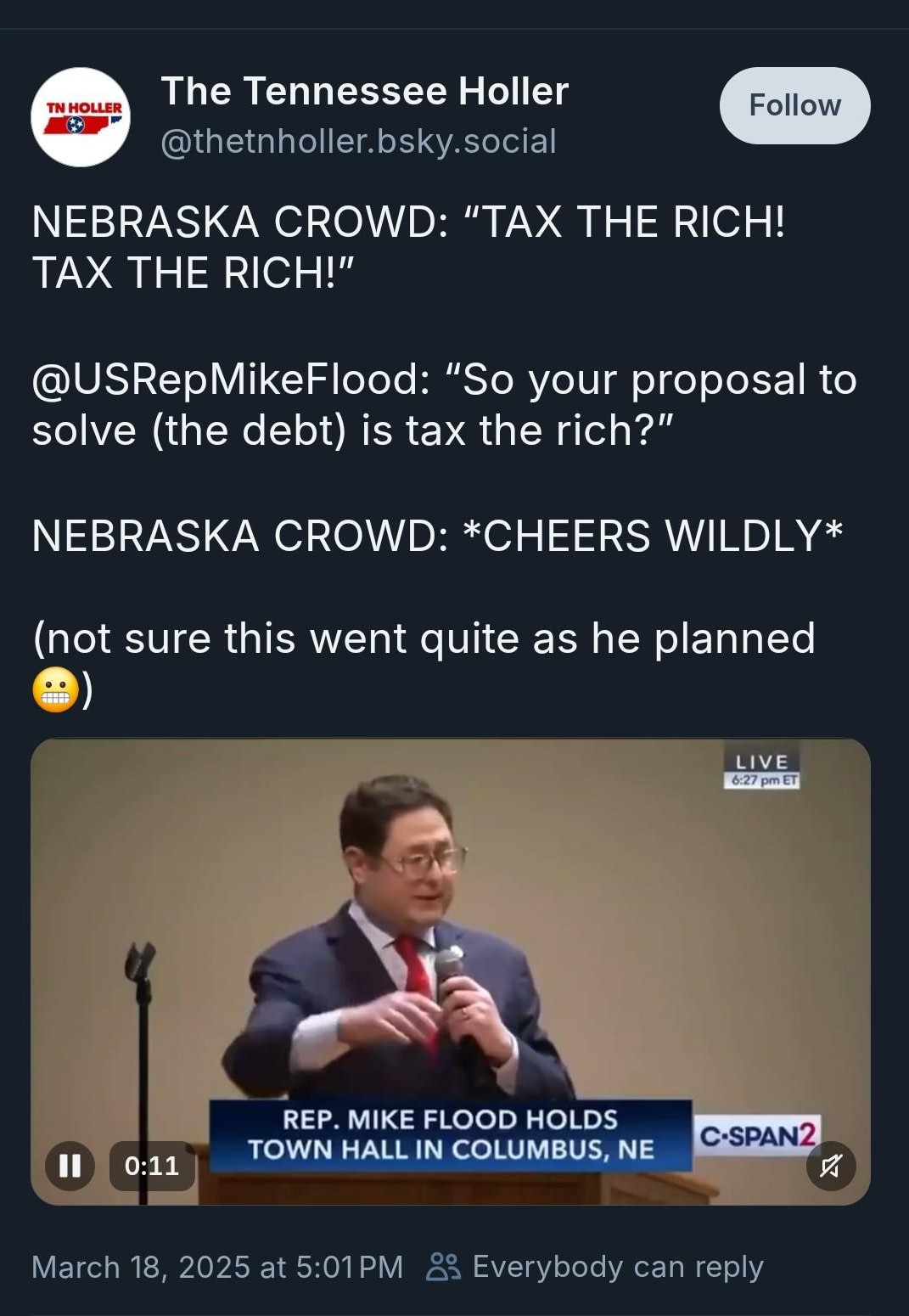
I am not opposed to inreasing taxes necessarily, but people need to understand that the income of wealthy individuals is not used purely for the fulfilment of their needs and wishes. Rich people play a rather important role in allocating and managing resourses(capital) in society, and increasing the taxes will decrease the capability of rich people to invest, which is not ideal.
Also, if the tax increase is percieved to be unfair, rich people can just leave and go to Monaco or Switzerland or any other “rich friendly” country. They are pretty much free to do so and they do it all the time. So increasing taxes will not necessarily lead to more tax revenue if they are increased above what is reasonable.
I am so happy karma is not a thing here btw. I would be in an unenviable position otherwise.
I’m guessing you expected the downvotes to be fair, but I’d try and actually engage with what you said, since you clearly took the time to think it through and express it well.
What you’re suggesting (that the wealthy classes play an important role in wealth distribution, that’s hampered by tax) is pejoratively referred to as “trickle down economics”[0] and slightly less critically referred to as “supply side economics”[1].
You might want to reduce taxes on the wealthy for some other reason, but the idea that it helps the economy is very poorly evidenced, and there’s quote a lot of evidence to the contrary.
It also seems to miss the fact that a lot of poor countries (take Nigeria[2]) have very low taxation, and many very wealthy countries (take Sweden[3]) have very high taxation.
My two cents are that, sure the rich might spend some money on things that benefit everyone, but it’s probably a lot less than the amount of infrastructure development taxation can fund.
There’s obviously complexities, but the idea that “people will just move” doesn’t seem to happen in reality. I’d also say that, excluding perhaps billionaires, being moderately wealthy in a equitable society with good healthcare, transport, roads, etc, is a lot more desirable than being more wealthy in a society with less of those things. But I guess that’s just my take, I don’t have any evidence for it.
[0] https://en.m.wikipedia.org/wiki/Trickle-down_economics
[1] https://en.m.wikipedia.org/wiki/Trickle-down_economics
[2] https://taxsummaries.pwc.com/nigeria/individual/taxes-on-personal-income
[3] https://sweden.se/life/society/taxes-in-sweden
The only way to make the capitalists actually expend resources is to make it painful for them not to do so. If they’re taxed highly on gross income and capital gains, they’re more likely to either donate that money (as with the Astors, Roosevelts, Rockefellers, and others), or to expend significant resources to enrich themselves further. The problem is that we need to ensure that the capital class and the politicians are not a single group (which is how this all went bad), and to make sure that political “donations” (bribes) are actually policed.
Of course, that would also mean we’d need to police against monopolies too, and be aggressive about ensuring that companies stay within their charter and remove their license to do business if they exceed it…